20 June 2026
Belonging: what the data says, and the community we choose to build
By Nichola
I keep coming back to the same quiet thought: the data is not subtle anymore.
One in seven adolescents now lives with a diagnosable mental health condition (WHO, 2024). In the most recent OECD PISA wellbeing data, nearly a third of 15-year-olds say they do not feel they belong at school — and that single sentence predicts more about their learning, their friendships and their long-term health than almost any test score we could put next to it. The U.S. Surgeon General has named loneliness a public health crisis. UNESCO's 2024 report on adolescent wellbeing says it plainly: belonging is not a soft outcome. It is the ground everything else grows from.
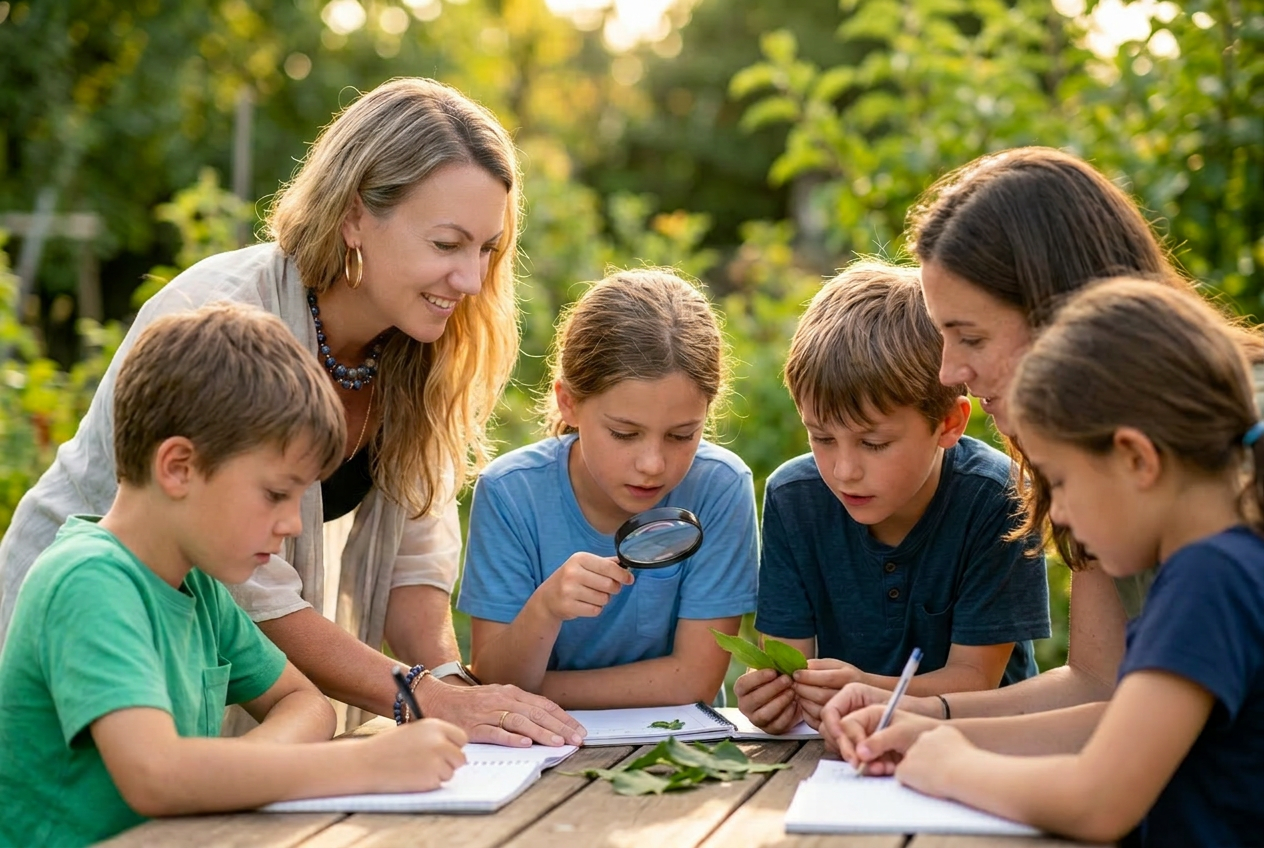
The science has been catching up to what good teachers have always known. Roy Baumeister and Mark Leary called belonging a "fundamental human need," as load-bearing as food and shelter. Lisa Feldman Barrett's work on the social brain shows that a child who feels seen and safe literally regulates their nervous system differently — heart rate, cortisol, attention, memory all shift. Geoffrey Cohen's belonging interventions at Stanford have shown that even small, well-timed signals of "you are one of us, and you are growing" produce measurable gains in academic performance and mental health years later. CASEL's meta-analyses keep landing in the same place: relationships first, then learning.
So when I read the headlines about anxiety, screen time, school refusal, and a generation that feels it does not quite fit anywhere — I do not read a problem to be managed. I read a brief.
This is the community we want society to reflect. So we are building it.
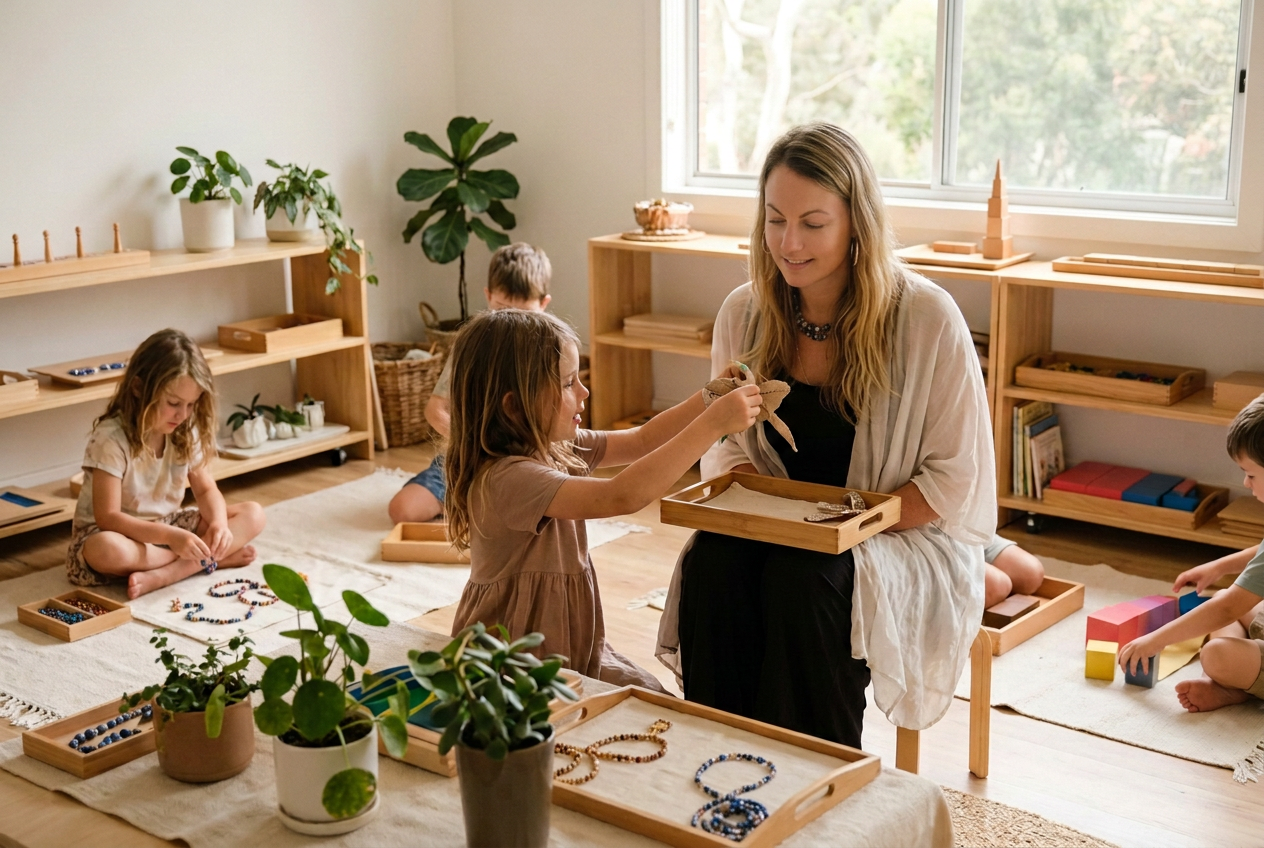
That is what a mission-to-action mindset looks like for us. Not a poster on a wall. A daily decision to translate what we believe into what we do — with the children in front of us, in the place we are standing, today. Our compass keeps us honest about that. We call it PPPP: Purpose, People, Place, Practice. It is the loop we walk every day.
Purpose — we are clear about why we exist. Every child belongs, and from that belonging grows the confidence to learn, to question, to create, to contribute.
People — we are intentional about who we gather. Educators who see children before they see scores. Families who want partnership, not performance. Children who get to bring their whole, complicated, brilliant selves through the door.
Place — we shape an environment that does the quiet work for us. Light, nature, calm, the sea nearby, materials at child height, rhythms that respect a nervous system. A studio that says "you belong here" before anyone has to say it out loud.
Practice — we choose how we teach with the same care. Small groups. Real questions. Inquiry that starts with the child's wondering. Feedback that builds identity, not anxiety. Rituals of welcome, repair and reflection that turn a room of individuals into a community.
The loop matters. Purpose without practice is a slogan. Practice without purpose is busywork. Place without people is just a beautiful empty room. People without place have nowhere to grow. Walked together, they create the conditions in which belonging stops being a hope and starts being a fact.
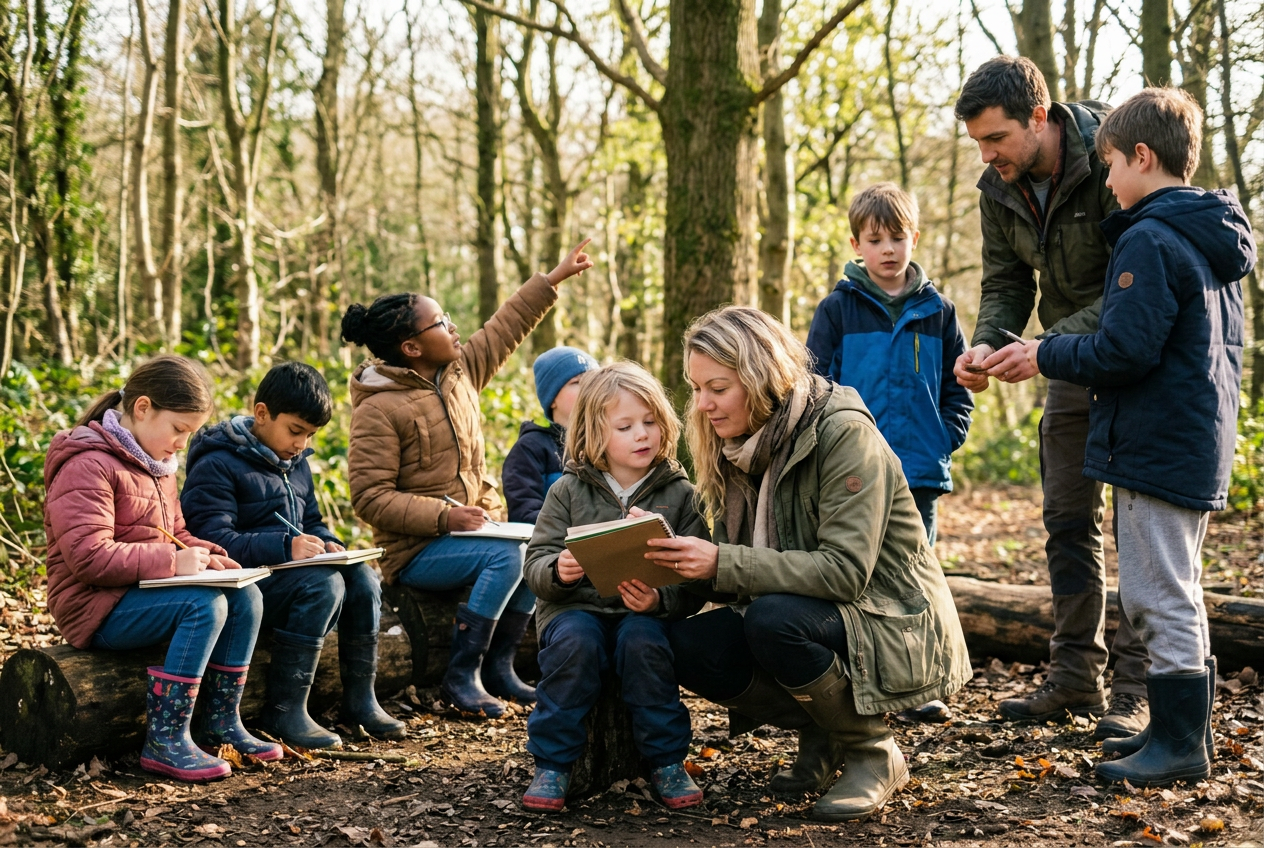
This is not a small ambition. The evidence is cumulative and unambiguous. When children lack a sense of belonging, academic engagement drops, anxiety rises and the willingness to participate falls away — PISA data links low belonging to lower reading performance even after controlling for socioeconomic background. When they do belong, the pattern reverses: stronger peer and teacher relationships predict higher academic risk-taking, greater creative self-efficacy and deeper conceptual understanding. Cohen and colleagues' belonging interventions have shown that small signals of acceptance can close achievement gaps that persisted for years. A child who feels "one of us" does not merely feel better — they think better, create more freely and recover from setback faster. That is the story the data keeps telling, and that is the community we are building.
We are choosing the second story. Not because it is easier — it is not — but because it is the one our children deserve, and because it is the one society needs us to live out, child by child, day by day, in the small choices that make a community.
If we want a society defined by belonging, we cannot wait for it to arrive. We build it here. We build it now. We build it together.
With care, Nichola